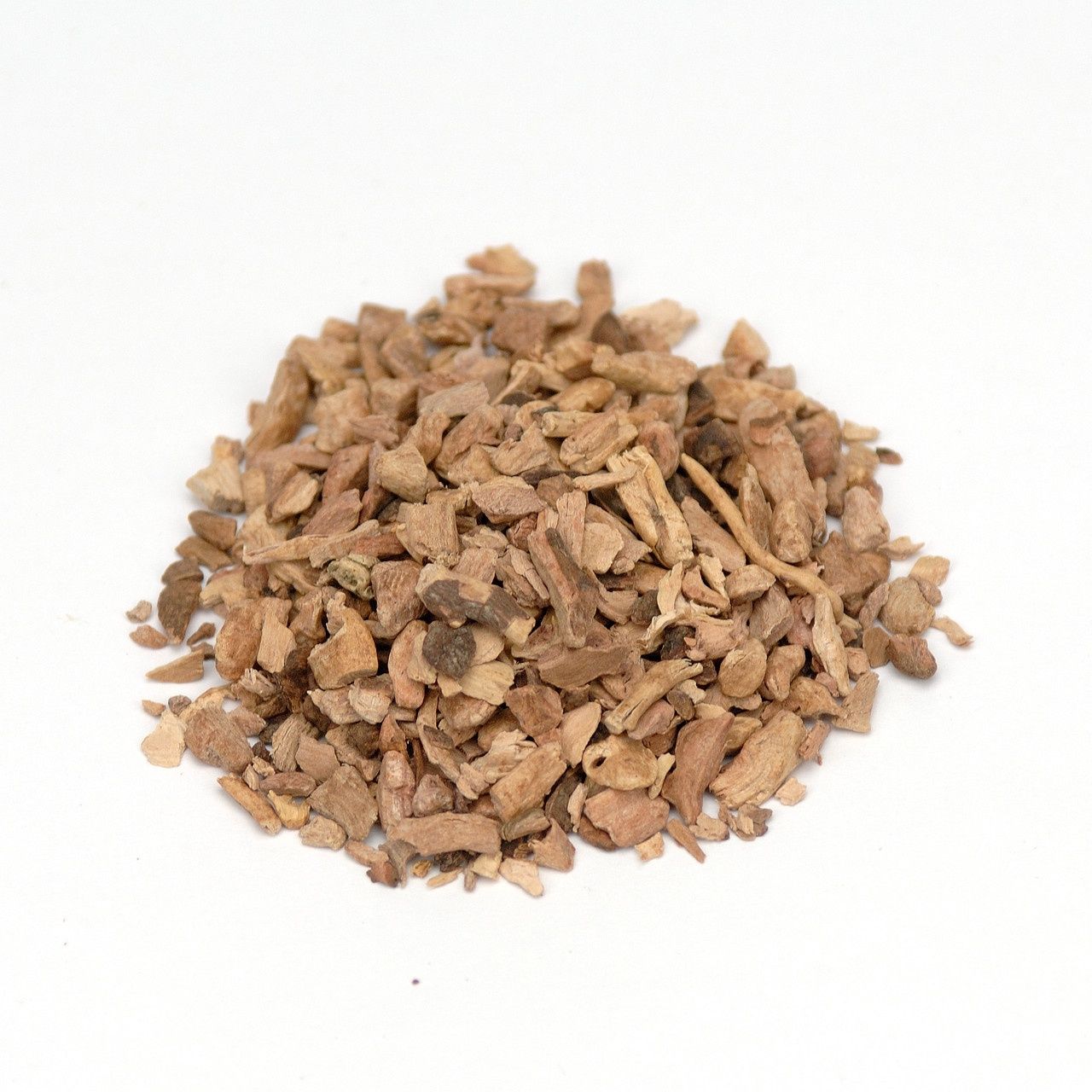
RED ROOT CUT & SIFT
Share
$29.99
Size
Please choose
1
RED ROOT CUT & SIFT
Share
Customer reviews
Customer reviews
Reviews only from verified customers
No reviews yet. You can buy this product and be the first to leave a review.
Product details
Brand: STARWEST BONTANICALS
Red Root Cut and Sifted Wildcrafted
This cut and sifted red root offers a rich, earthy flavor profile with a slightly bitter undertone, making it an intriguing addition to various dishes and herbal blends. The pieces are finely processed to retain their natural texture, allowing for easy infusion in teas, broths, and culinary preparations.
Cultural Significance
Red root has been embraced in various cultures for its potential role in traditional practices. It is often featured in herbal ceremonies and as a staple in folk recipes, highlighting its place in both culinary and cultural traditions. The deep crimson hue of the root adds a vibrant splash of color to presentations, making it visually appealing as well.
The Perfect Culinary Companion
Adding red root to your cooking repertoire enhances the depth of flavors in stews, sauces, and teas. Its robust taste pairs beautifully with earthy ingredients, creating a harmonious balance in your dishes. Whether you are an experienced chef or a home cook, this versatile ingredient can elevate your culinary creations and inspire new flavor explorations.
Common Names
Red Indian Paint, Tetterwort, Blood root, Indian paint, Indian plant, red paint root, sanguinariat
Purported health benefits
The leaves and roots of the red root plant are bitter and astringent. Those properties are due to natural plant compounds called alkaloids and tannins.
Anecdotal sources have proposed these compounds may account for red root’s medicinal effects, though no scientific evidence supports these claims.
Tannins are a type of polyphenol antioxidant. They help protect cells and DNA from oxidative damage.
Lab and animal studies suggest tannins may protect your heart and blood vessels, as well as reduce your blood pressure and blood sugar levels. They can also prevent the growth of some types of bacteria and other microbes.
Alkaloids in herbs and plants also have various effects on health. Lab tests show they can prevent the growth and spread of bacteria and viruses.
Powered by Lightspeed
Display prices in:USD
